
When installing a solar pump, many wonder if it’s possible to connect it directly to a battery. Without proper connection, you may face inefficient power supply or system failure. This article explores whether connecting a solar pump to a battery is feasible and how to do it safely.
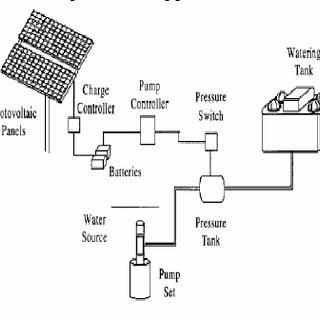
Yes, it is possible to connect a solar pump to a battery, but proper wiring and a charge controller are required to manage the energy flow efficiently. This ensures that the pump works reliably, using stored energy when the sun is not available.
Let’s explore how this works and whether it’s the right solution for your solar pump system.
Can I Connect Solar Directly to a Battery?
While it’s technically possible to connect a solar pump directly to a battery, it’s not ideal. Without a charge controller, the battery could overcharge or discharge too quickly, damaging both the solar pump and battery. The solar pump functions on DC (direct current), but without regulation, you risk overloading the system. A proper battery connection setup, including a charge controller, ensures a safe and efficient transfer of energy from the solar panels to the battery, and then to the pump.
Using a solar pump with a battery provides the flexibility of using the pump even when the sun isn’t shining. However, if you skip essential components like the charge controller, you can encounter operational issues, affecting performance and lifespan.
How to Attach Solar to a Battery?
To connect a solar pump to a battery, follow these key steps:
- Install the solar panels: Position your solar panels in a location where they will receive maximum sunlight, typically on a rooftop or open ground.
- Wire the solar panels to a charge controller: The charge controller regulates the energy coming from the panels, ensuring it’s not too much or too little for the battery. This component is essential for battery health.
- Connect the charge controller to the battery: Once energy is regulated by the charge controller, it’s safe to send it to the battery. Make sure to use correct wiring specifications based on your battery’s voltage.
- Connect the battery to the pump: Now, you can connect your battery to the solar pump. With this setup, your pump will run off stored energy, allowing operation even during non-sunny hours.
Ensure that the battery is compatible with the solar pump to avoid inefficiencies. Using a solar pump manufacture’s recommended components ensures the system is optimized for performance.
What to Connect First, Solar or Battery?
When setting up your system, always start by connecting the solar panels first. This is crucial because solar panels generate energy only when exposed to sunlight, and having them connected first ensures that the charge controller receives energy to begin regulating the flow. Once the solar panels are connected to the charge controller, then connect the battery. Connecting the battery after the solar panels helps avoid any potential overload and ensures that the charge controller can start managing energy immediately.
Connecting the battery last also helps you avoid unnecessary power surges, which could damage the system. Always follow the recommended installation guidelines from your solar pump manufacturer to ensure optimal operation and longevity of your system.
Are There Risks Involved in Connecting a Solar Pump to a Battery?
Yes, there are certain risks associated with connecting a solar pump to a battery. If the solar pump is connected to the battery without proper components like a charge controller, the battery may become overcharged or discharged too quickly. This could lead to reduced battery life, pump malfunction, and even system failure. Additionally, incorrect wiring or using incompatible components could pose a fire hazard or cause significant damage to the equipment.
To mitigate these risks, ensure all connections are done correctly, use a charge controller, and follow the manufacturer’s instructions. Regular maintenance of the system will also help prevent issues and extend the lifespan of both the solar pump and battery.
What Type of Battery Is Best for Connecting to a Solar Pump?
The ideal battery for a solar pump system is one that can handle the energy storage needs and is designed for solar applications. Common battery types include:
- Lead-Acid Batteries: These are affordable and reliable, but they may require more maintenance and have a shorter lifespan compared to newer technologies.
- Lithium-Ion Batteries: More efficient, with a longer lifespan and lower maintenance requirements. Though pricier, they are increasingly popular for solar systems.
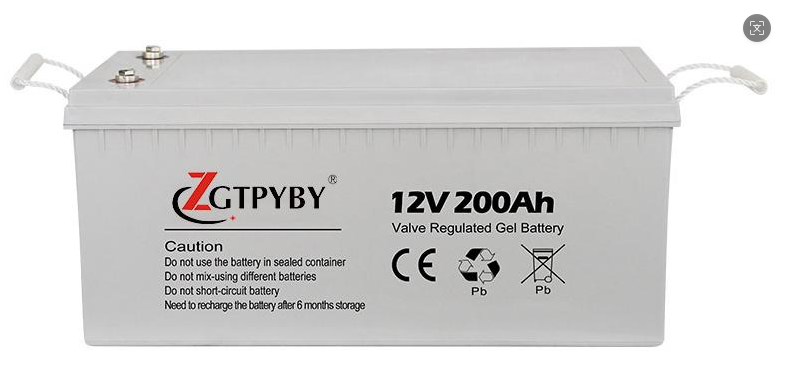
- Gel or AGM Batteries: These are sealed lead-acid batteries with improved performance and less maintenance, making them ideal for solar applications.
The best battery depends on your budget, desired system lifespan, and how much power your solar pump will need. Always match the battery to the energy requirements of your solar pump for optimal performance.
Can a Solar Pump Work Without a Battery?
Yes, solar pumps can work without a battery, provided they are directly connected to solar panels. This setup is often referred to as “solar direct” or “grid-tied” systems. The pump runs only when there is sufficient sunlight to generate power. However, this means that the pump won’t work during cloudy days or at night.
In contrast, when you connect a battery to the solar pump system, you can store excess energy during sunny periods for use during cloudy weather or at night, giving you more flexibility and continuous operation.
Summary
Connecting a solar pump to a battery can improve system performance and provide continuous operation, but it requires correct wiring and the right components.


