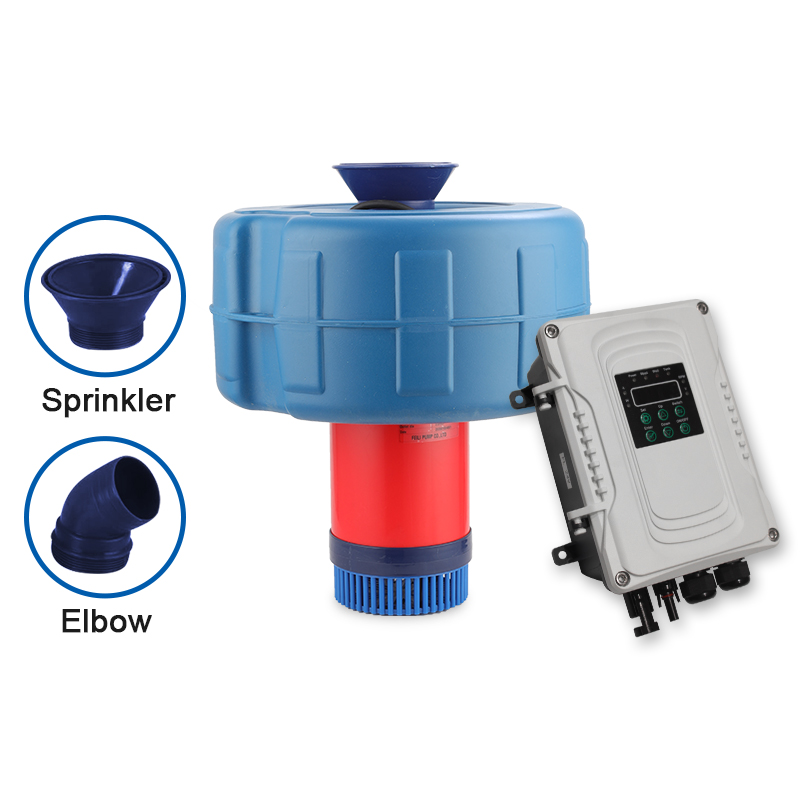
Traditional water pumps rely on unstable grid power or costly fuel. This results in high operation costs and limited access in remote areas. A solar powered water pump offers a sustainable, cost-effective alternative—let’s explore how to connect it properly.
Yes, you can connect a solar panel to a water pump, but it requires specific components to ensure safe and efficient operation.
Don’t leave yet—understanding system design is key to long-term savings and performance.
Can You Run a Water Pump on Solar Power?
Yes, a water pump can run on solar power, provided that the system is correctly sized and configured. A solar water pump uses energy generated from photovoltaic (PV) solar panels to drive a DC or AC motor that powers the pump. This makes it ideal for remote areas without grid access. Solar powered water pump systems are commonly used in agriculture, livestock watering, and rural water supply projects. They are cost-efficient over time, especially in regions with high solar exposure. However, system efficiency depends on choosing the right pump, controller, and solar panel combination.
How to Connect the Solar Water Pump?
To connect a solar panel to a water pump, you’ll need more than just a direct cable. The correct setup involves a solar water pump controller, which stabilizes voltage and matches the power output from the solar panels to the pump’s requirements. Here’s a basic breakdown:
Solar Panels: Capture sunlight and generate DC electricity.
Controller/Inverter: Converts and regulates power—DC pumps use a DC controller, while AC pumps require an inverter.
Water Pump: Connect the pump to the controller output.
Optional Battery/Storage: Store excess power for use during cloudy periods.
Connecting a solar panel directly to a pump without a controller may damage the system or lead to unstable performance.
How Many Solar Panels Do I Need for a 1HP Water Pump?
To power a 1HP (horsepower) water pump using solar energy, you need a system that provides around 750 watts of mechanical power. However, due to system inefficiencies and conversion losses, you typically require 1,200 to 1,500 watts of solar panel capacity. Here’s how it breaks down:
1HP ≈ 746 watts (mechanical output)
Add 20-30% for losses → ≈ 1,000 to 1,200W electrical input
With standard 300W panels, you’ll need 4 to 5 solar panels
Also consider sunlight hours per day and system voltage. For instance, in areas with 5 peak sun hours per day, a 1.5kW system can run the pump efficiently for several hours. A solar powered water pump can also include MPPT (Maximum Power Point Tracking) controllers to optimize efficiency based on sun intensity.
Summary
Solar pumps work well, but only with the right setup and sizing.